
Raising the Bar Call for Proposals September 21-23, 2026 Hilton Baltimore Inner Harbor in Baltimore, MD
Workshop Solicitation
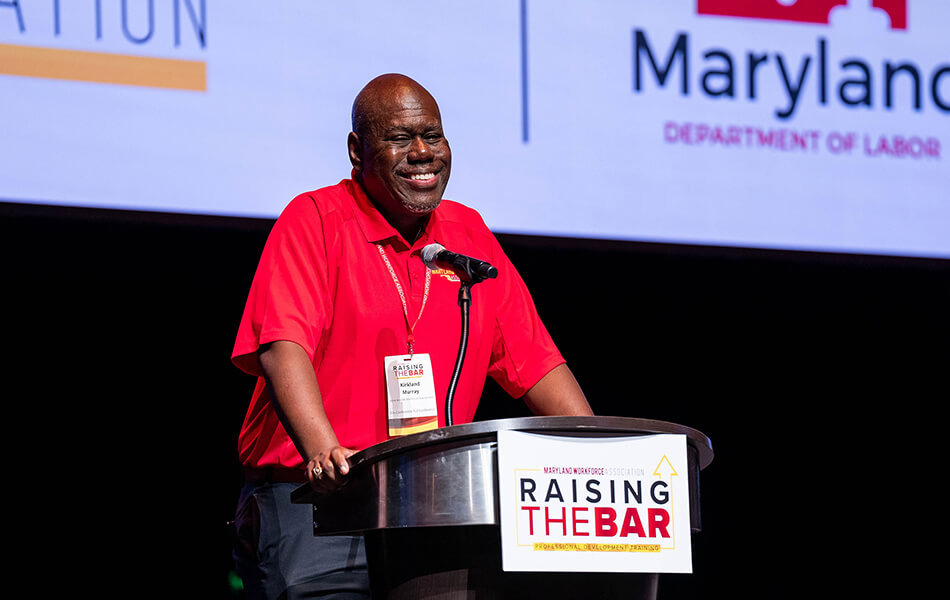
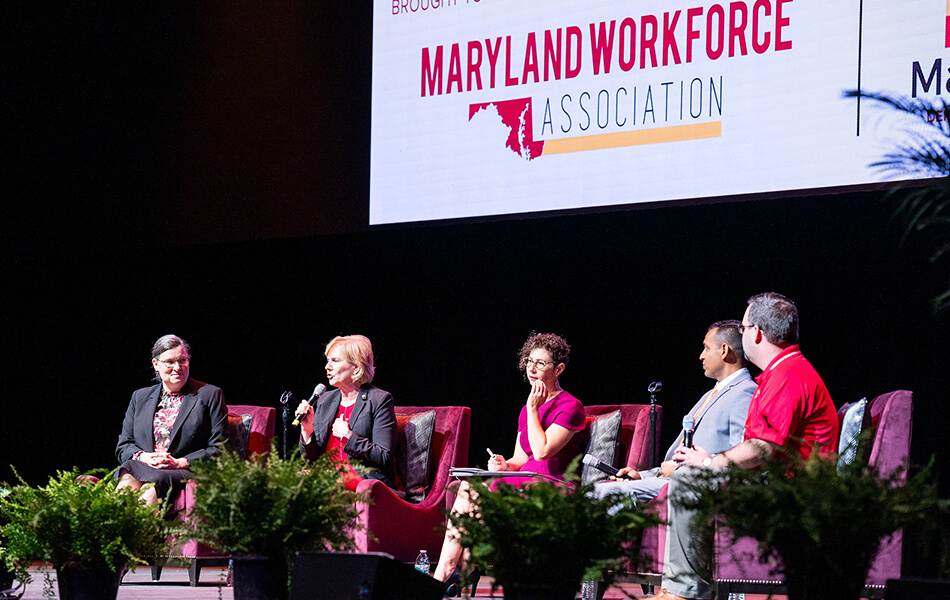
The Maryland Workforce Association is excited to welcome you back to the Raising the Bar Conference — a signature event that brings together workforce, education, and training professionals from across Maryland and beyond. This is more than a conference — it’s a space for connection, collaboration, and bold conversations that move our workforce system forward.
As the landscape of workforce continues to evolve, we are challenged to be more creative, adaptive, and impactful in how we serve job seekers, youth, and employers. At the same time, the Blueprint for Maryland’s Future calls for deeper alignment between workforce systems, K-12 education, and community colleges to ensure Maryland’s students are fully prepared for college, careers, and lifelong success.
This year’s conference is focused on what it takes to build and sustain a world-class workforce system. Attendees will explore:
~Professional development for front-line workforce, employment, and training professionals.
~Innovative practices and partnerships that are changing the way we work.
~The growing role of apprenticeships and work-based learning models.
~Sector strategies and cross-system collaboration.
~Current and emerging industry trends and the most in-demand jobs across our region.
If you're tackling tough challenges, piloting new ideas, or seeing results from proven strategies — we want to hear from you. Come share what’s working, learn from your peers, and be part of shaping the future of workforce development in Maryland.
Workshop Proposals
Of significant interest are proposals that address innovation, effective delivery of services, and workshops that provide information, tools or ideas that are practical and easily replicated.
The 2026 Raising the Bar Conference will include workshops organized around five tracks and workshops selected will reflect content for beginner, intermediate, and expert level professionals.
We are seeking proposals that offer practical tools, innovative strategies, and forward-thinking ideas aligned with the following key areas of focus:
- 1. Talent Pipeline DevelopmentSessions may explore how communities build, strengthen, and sustain talent pipelines that meet current and future labor market needs. Topics of interest include, but are not limited to:
- Youth workforce innovations and early career exposure models
- K-12 partnerships with workforce boards, employers, and community colleges
- Work-based learning, internships, job shadowing, and paid training experiences
- Career and technical education alignment with regional labor market demand
- College and career readiness strategies for diverse student populations
- Engagement of various populations, including foster care youth, those engaged in the Juvenile Justice system, vocational rehabilitation efforts, and adults who are justice-involved.
- Transitions from secondary education to postsecondary training, apprenticeships, or employment
2. Employer and Business Engagement
Proposals may focus on strategies that effectively engage employers as active partners in workforce development. Topics may include:
- Apprenticeship, pre-apprenticeship, and earn-and-learn models
- Employer engagement approaches that lead to hiring, retention, and advancement
- Supporting rural employers, small businesses, and emerging industries
- Sector partnerships and industry-led workforce initiatives
- Reducing administrative and participation barriers for businesses
- Aligning employer needs with public workforce and education systems
3. Economic and Community Development
Sessions may examine how workforce initiatives contribute to broader economic and community development goals. Topics may include:
- Alignment between workforce strategies and local or regional economic development plans
- Workforce’s role in business attraction, retention, and expansion
- Place-based and community-driven workforce initiatives
- Strategies for rural, distressed, or transitioning communities
- Cross-sector collaboration among workforce, education, housing, health, and economic development partners
- Leveraging workforce investments to support long-term regional resilience
4. Workforce Challenges and Future Trends
Proposals may address emerging challenges and evolving trends that are shaping the workforce system. Topics of interest include:
- Artificial intelligence, automation, and the changing nature of work
- Immigration, population change, and labor force participation
- TANF/SNAP integration
- Housing, childcare, and transportation as barriers to employment
- Workforce system responses to demographic and economic shifts
- Preparing practitioners and organizations for future disruptions
- Policy, practice, and system adaptations to meet emerging workforce needs
5. Supports for the Workforce System
Proposals may address supports to the business of workforce development. Topics of interest include: fiscal training, performance monitoring, communications and outreach, compliance, HR
Submission
Workshop audiences will include people interested in learning about innovative methods to serve clients in all aspects of the workforce development system, public policies that support the effective delivery of services, and workshops that provide information, tools or ideas that are practical and easily replicated.
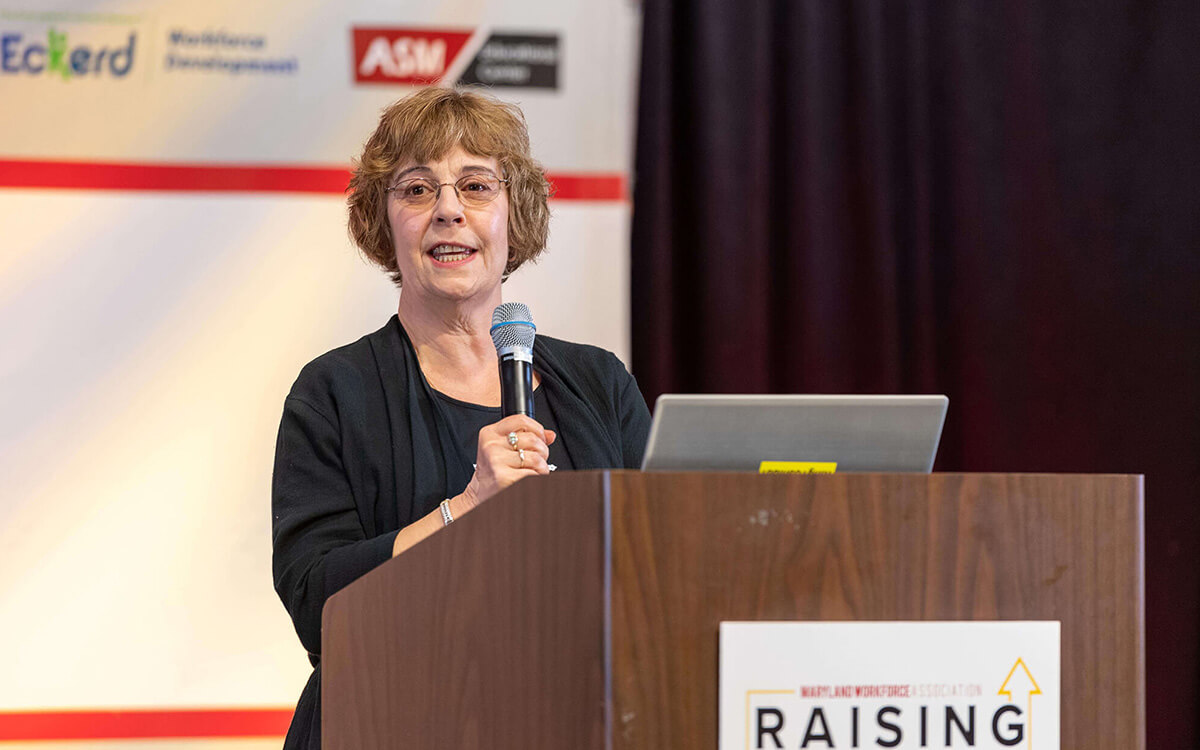
Workshops are 45 minutes of content, with an additional 15 minutes for Q&A; and should encompass best practices, which have demonstrated measures of success. All proposals must be submitted online and must be complete. Required information includes:
1. Workshop Title (10 words or less)
2. Workshop description in 200 words or less
3. Intended Outcomes and Learning Objectives for the Participants
4. Workshop Track/s
5. Presenter contact information and bios, include a one-minute video describing your workshop
6. Explanation of how the program, initiative or strategy was proven to be effective.
Workshop titles may be edited to prepare the conference program. The deadline to submit is 5:00 PM on May 15th.
Content must be informational and educational, not commercial. Presentations that are sales pitches for products or services will be eliminated from consideration.
Review Process
Raising the Bar’s Conference Committee will evaluate proposals based solely on the information submitted. Presenters, titles and content are expected to correspond to the proposal and substitutions of content or presenters require prior approval.
Once a workshop has been accepted, no changes of speakers or workshop content will be allowed without prior approval. Presenters selected will be asked to complete a “Presenter Agreement” form.
Principal presenters will be notified whether their workshops have been accepted by the end of May 22, 2026.
Other Information
Raising the Bar does not subsidize travel, expenses.
- Presenters will receive FREE conference registration the day/s they are selected to present.
- AV equipment will be available, however, presenters should bring their own laptop.
For more information, please contact: MDRTB@MarylandWorkforceAssociation.org and include RTB Call for Proposals in the subject line.